payments
•fintech
•trends
How to Choose a Payment Orchestration Platform: A Practical Guide for 2027
Payment orchestration platforms have fast emerged as an important part of many payment processing firms’ tech stacks.
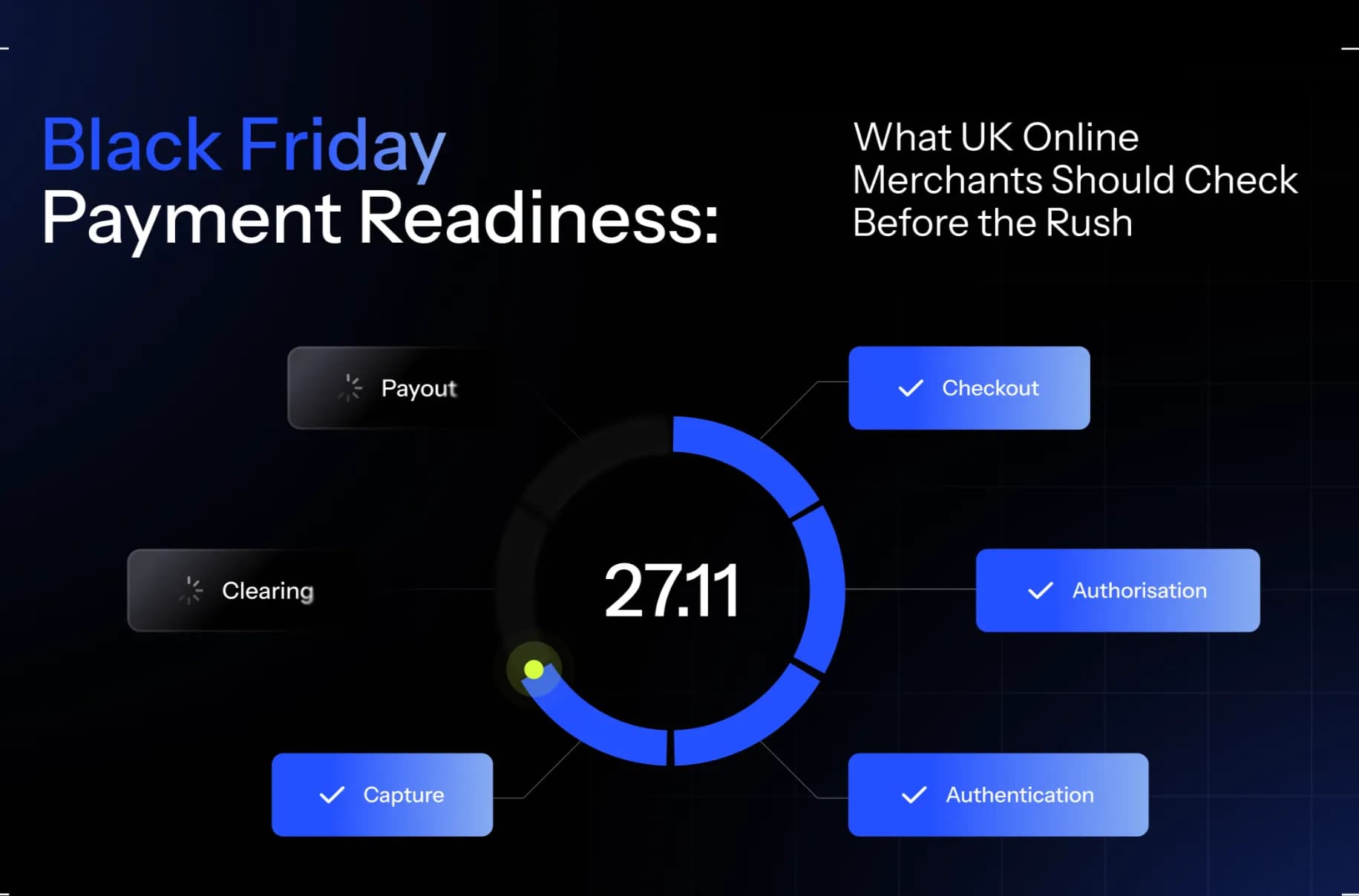
Black Friday can bring a surge of customers to your website. According to Adobe Digital Insights, UK shoppers spent £1.16 billion online on Black Friday 2025. But getting them through checkout, accepting their payments and making sure the money reaches your business account? That’s another challenge entirely.
For UK online merchants, Black Friday payments mean increased transaction volumes. But they’re also a test of the entire payment operation, from checkout performance and fraud controls to provider support, settlement and cash flow.
A slow payment page, unexpected decline or authentication problem can turn a willing customer into an abandoned basket. With Black Friday falling on 27 November 2026, now is the time to find out whether your payment operations are ready for the rush.
Peak season ecommerce payments increase demands on checkout infrastructure, payment processing, fraud teams, customer support and fulfilment.
Higher transaction volumes can expose problems that go unnoticed during quieter periods. A spike in declines might coincide with suspicious purchasing activity, authentication failures or delivery enquiries, making it harder to identify what needs attention.
Black Friday payment readiness therefore requires more than website capacity testing. Merchants need clear performance baselines, effective monitoring and agreed procedures for responding when something goes wrong.
Customers shouldn’t discover problems with your checkout before you do. Test the complete payment journey, particularly on mobile devices.
Check payment page performance under realistic traffic conditions. Review page loading, form completion, authentication redirects and whether customers can finish purchases without unnecessary steps.
Mobile testing should cover different screen sizes, browsers and operating systems.
Pay particular attention to:
Guest checkout: Can customers pay without registering?
Online payment methods: Are advertised payment options available and functioning?
Error messages: Can customers understand what to do when a payment fails?
Test transactions: Can payments be authorised, captured, refunded and recorded correctly?
Checkout conversion rate: Where are customers abandoning the process?
Testing should cover failed transactions as well as successful ones. Authentication problems and poorly explained declines can be missed when testing only straightforward purchases.
Where possible, coordinate controlled load testing with your website and payment providers to avoid disrupting live transactions.
A busy checkout doesn’t necessarily mean successful sales.
Your payment authorisation rate measures the proportion of submitted payment attempts approved by the card issuer. It’s an important payment acceptance metric, but it rarely explains why transactions fail.
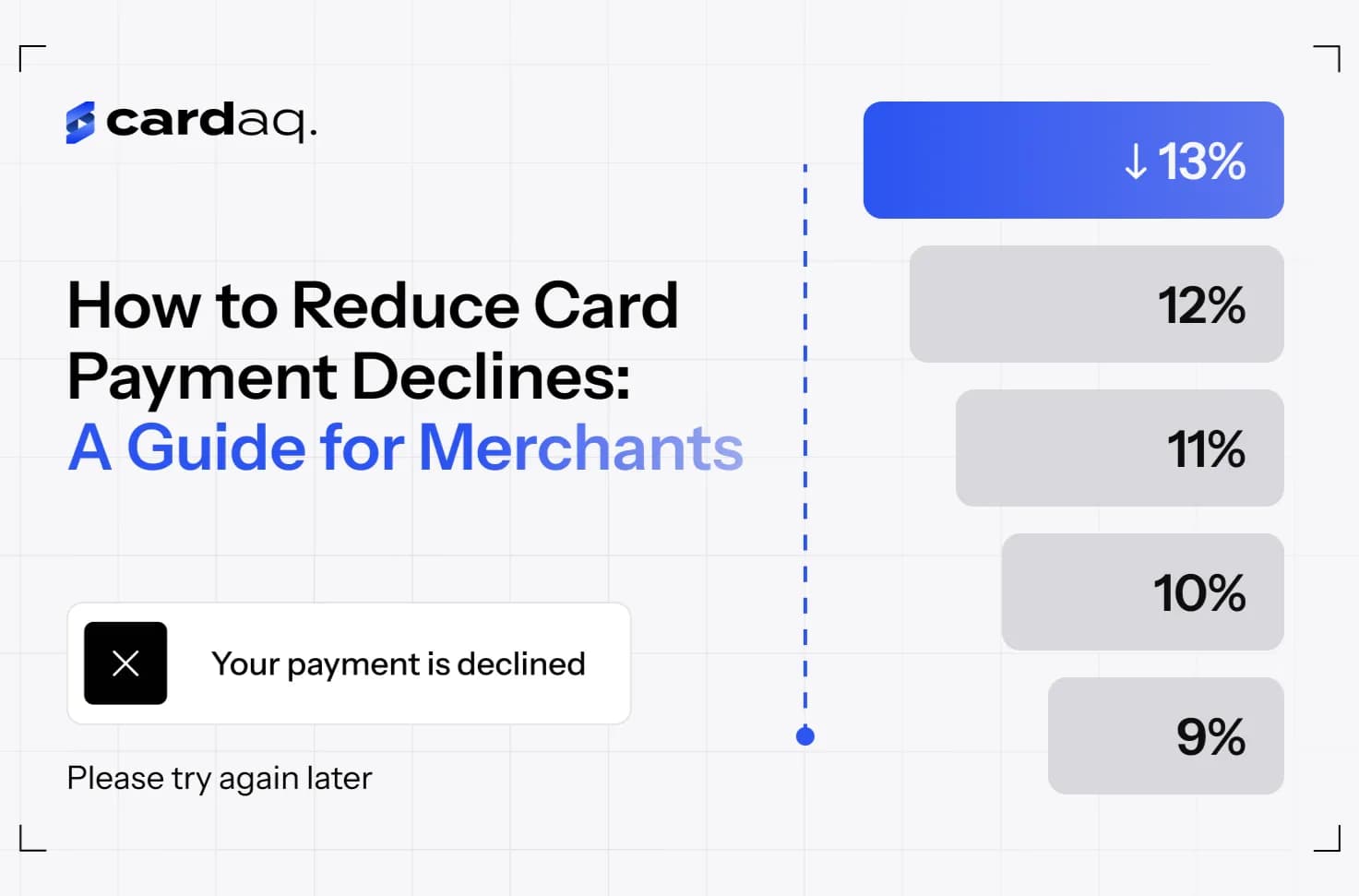
Before Black Friday, establish a baseline and review card payment decline reasons, including issuer declines, authentication failures and technical errors. Analyse results by payment method, card type, geography and customer segment to identify unusual patterns.
Soft declines may be recoverable, sometimes after additional authentication. A hard decline should not be retried without a material change, such as new card details. Card scheme rules prohibit reattempts on certain decline codes.
Your payment retry strategy must reflect the decline reason and the applicable card scheme rules, which limit reattempts and can attract scheme fees for excessive retries. Repeatedly submitting failed payments without understanding the cause can frustrate customers and create additional costs.
During peak trading, payment decline monitoring should help identify unexpected changes quickly. For example, a sudden increase in authentication-related declines could indicate checkout friction rather than increased fraud.
Understanding why payments fail, identifying recoverable declines and addressing avoidable checkout friction can help merchants improve payment acceptance without introducing unnecessary risk.
Black Friday payment fraud is a legitimate concern, but stronger controls shouldn’t automatically mean rejecting more transactions.
According to UK Finance’s Annual Fraud Report 2026, remote purchase card fraud losses rose by 3% to £423.5 million in 2025, while case numbers rose by 13% to 3.2 million. While these figures cover remote purchase fraud generally, not Black Friday specifically, they illustrate the need for effective, ongoing fraud prevention measures during peak periods.
Effective fraud prevention involves reviewing unusual order patterns, repeated payment attempts, signs of account takeover and inconsistent customer or delivery information. However, a single risk signal isn’t proof of fraud. Fraud controls should support proportionate decisions, combining automated checks with human review where appropriate.
Strong Customer Authentication (SCA) is a UK regulatory requirement for many electronic payments, subject to applicable exemptions. EMV 3-D Secure (3DS) is the main way of meeting SCA for online card payments.
Merchants should test how authentication requests appear to customers, including additional verification steps, redirects and failed authentication attempts. Authentication doesn’t guarantee fraud prevention, and excessive friction can discourage genuine customers.
Before peak trading, check that manual review teams have sufficient capacity, clear escalation criteria and agreed response times.
When payment processing goes wrong during peak trading, merchants need more than a generic support email address.
Confirm your payment provider support arrangements before Black Friday. Who should your team contact if authorisation rates deteriorate? What happens when transactions time out? How are incidents communicated and escalated? Check that relevant staff understand:
Available provider contacts and support channels.
Incident reporting and escalation procedures.
Responsibilities for technical investigation and customer communications.
Support coverage during peak trading hours.
Tested contingency arrangements.
Your payment processing incident response plan should involve ecommerce, finance, customer service and fulfilment teams. Don’t assume an alternative payment route will work simply because it exists. Contingency arrangements should be tested and approved beforehand.
A successful payment doesn’t necessarily mean the money is immediately available in your business bank account. Authorisation confirms that the card issuer has approved a payment. Capture confirms the transaction for processing so the funds can be collected. Settlement is the process by which funds move through the card schemes to the acquirer, which then pays the merchant in line with its agreed payout schedule.
Review your merchant payout schedule, payment settlement times and cut-off times. Confirm how weekends, bank holidays and provider-specific processing affect when funds become available.
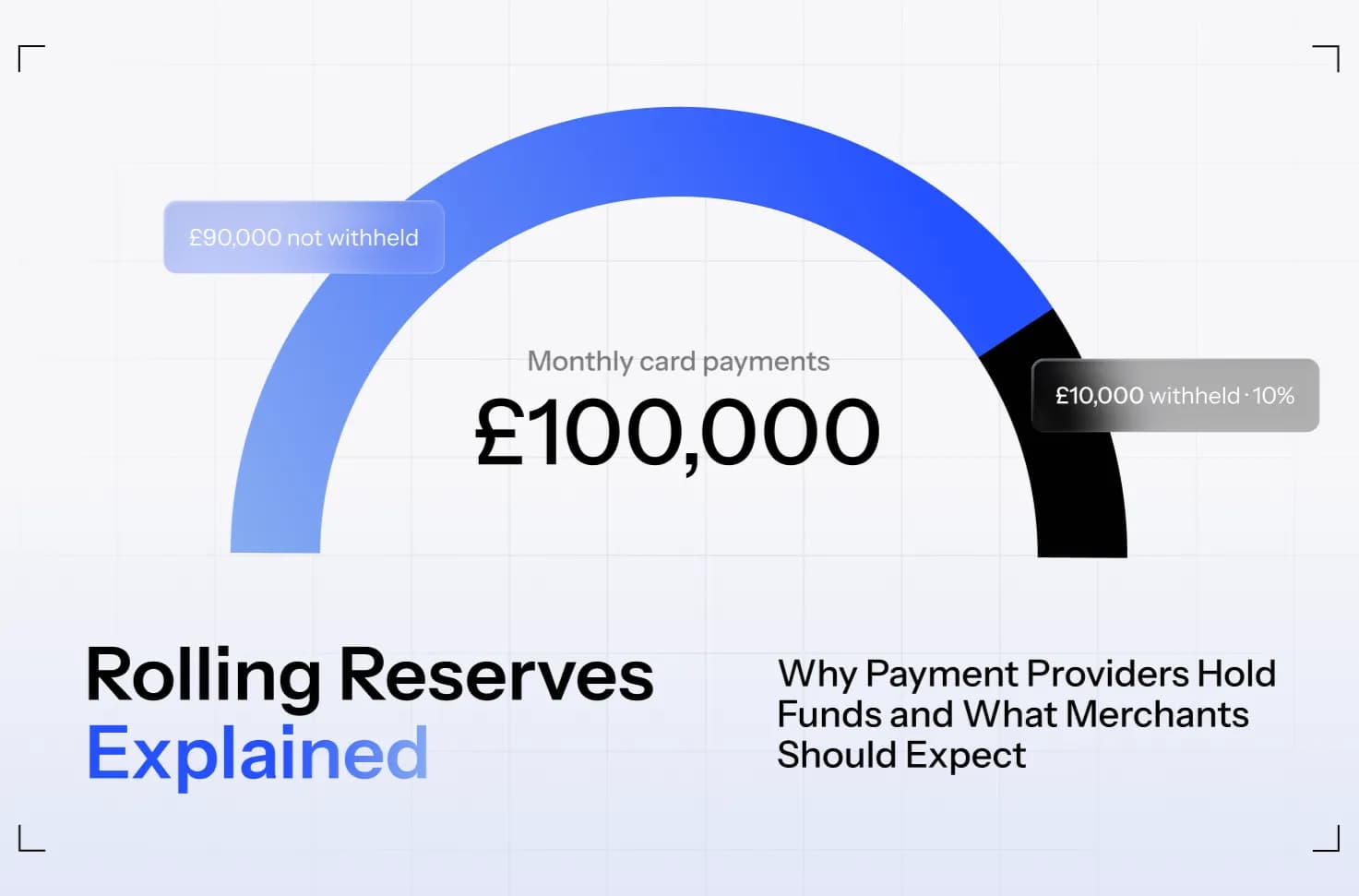
Processing fees, refunds, chargebacks, currency conversion and reserves may also affect the amount paid out. For example, a retailer might generate strong Friday sales but still need sufficient working capital to pay suppliers and fulfil orders before the proceeds reach its account. Peak season cash flow planning should therefore use expected net receipts, not gross sales alone.
Finally, ensure payment reconciliation procedures can match transactions, fees, refunds and payouts to the appropriate records.
A payment readiness checklist works best when every task has a clear owner and deadline.
Before Black Friday:
Test desktop and mobile checkout, payment methods and authentication.
Check page performance, failed transactions and guest checkout.
Establish normal authorisation and decline-rate baselines.
Review fraud controls and manual review capacity.
Confirm provider support contacts and incident procedures.
Check payout schedules, reserve terms and available cash buffers.
During peak trading:
Monitor checkout errors, authorisation rates and decline patterns.
Investigate changes by issuer, payment method and geography.
Review suspicious activity without applying blanket declines.
Track customer complaints and fulfilment problems.
Escalate payment incidents promptly.
Monitor expected payouts and cash requirements.
Compare payment performance with pre-event baselines.
Investigate declines, authentication failures and abandoned checkouts.
Reconcile transactions, refunds, fees and payouts.
Review fraud alerts and emerging disputes.
Document incidents and improvements for future campaigns.
The same checklist applies to other peak trading periods, such as Christmas and the January sales.
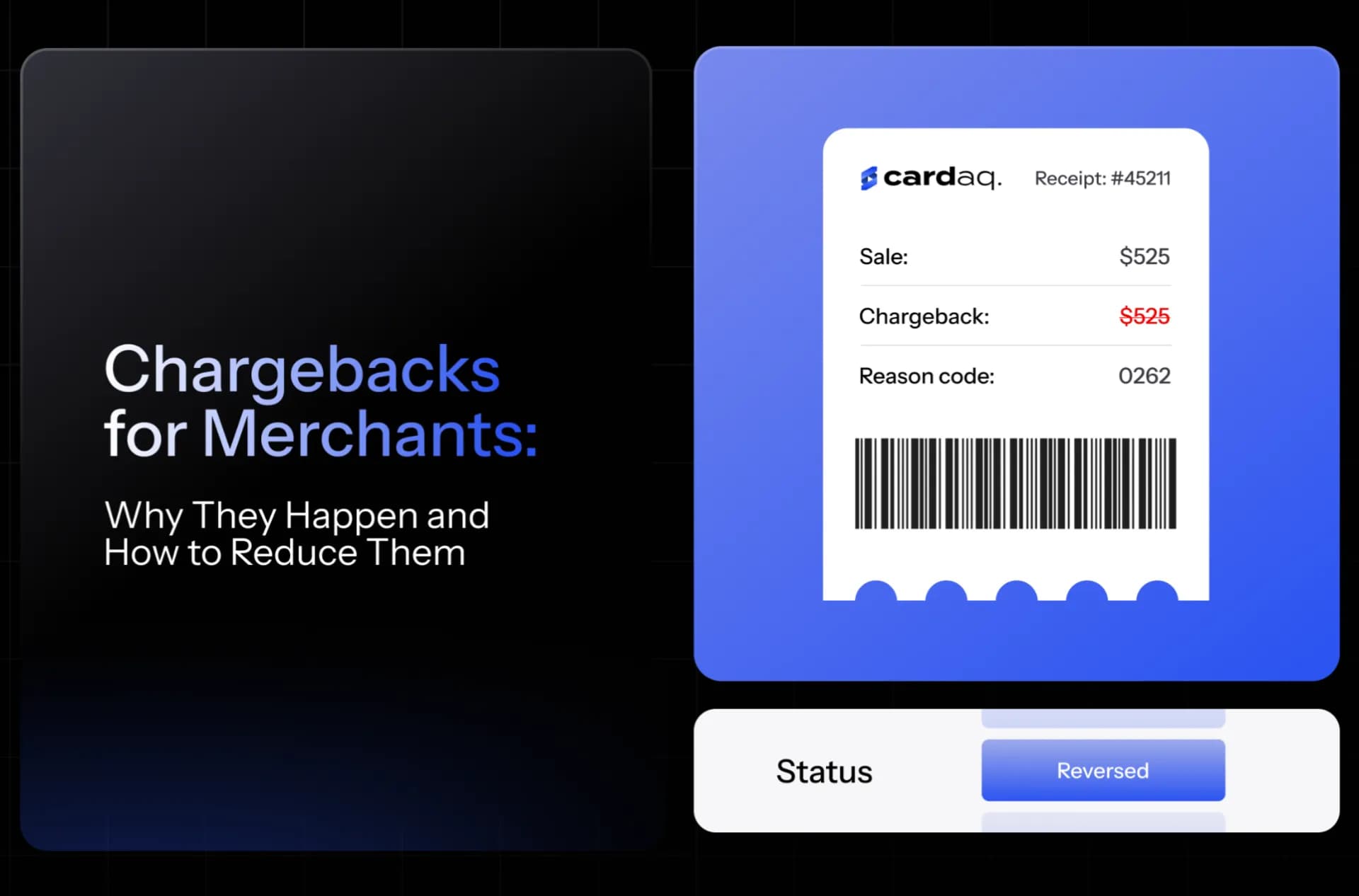
Refunds, delivery complaints and chargebacks can emerge days, weeks or months after Black Friday. Use chargeback monitoring alongside customer service and fulfilment records to identify the operational issues behind disputes, and turn peak-trading findings into measurable improvements.
Black Friday success isn’t measured solely by website visits, orders or headline revenue. Converting genuine customers, managing payment risks, responding to incidents and maintaining visibility over incoming funds are key elements of a successful merchant payment acceptance strategy.
For UK online merchants, that means looking beyond the checkout and asking whether their wider payment arrangements are ready for the demands of peak trading. From payment acceptance and fraud controls to settlement and cash flow, preparation now can help prevent costly surprises later.
Is your business ready for the Black Friday rush? The best time to discover a weakness in your payment operation is before your busiest trading day, not halfway through it.
Sources
Adobe Digital Insights UK Online Spending - Holiday and Full Year 2025: https://business.adobe.com/uk/blog/uk-online-retail-spending-hits-record-high
UK Finance, Fraud remains a national security threat as criminals steal almost £1.3 billion: https://www.ukfinance.org.uk/news-and-insight/press-release/fraud-report-2026-press-release/
Financial Conduct Authority, Payment Services and Electronic Money Approach Document (version 7, March 2026): https://www.fca.org.uk/publication/finalised-guidance/payment-services-electronic-money-approach-march-2026.pdf
To find out more about Cardaq, visit cardaq.com.
This article is for general information only and does not constitute legal, regulatory or financial advice. Merchants should seek advice specific to their business and check requirements with their payment provider.
Cardaq Limited is authorised by the Financial Conduct Authority under the Electronic Money Regulations 2011 for the issuing of electronic money and the provision of payment services (FRN 900088).
AUTHOR

Cardaq Team
20 November, 2026