5 mins read
Cardaq Team
money
•youth
•algorithms
The Economy of Fear: Why We Love Being Scared
Horror is a recession-proof industry. We analyze why fear sells—from haunted houses to thrillers and how we spend on adrenaline.
Your shared calendar is the key to relationship peace. Learn how syncing schedules stops financial surprises and saves date night.
Cardaq Team
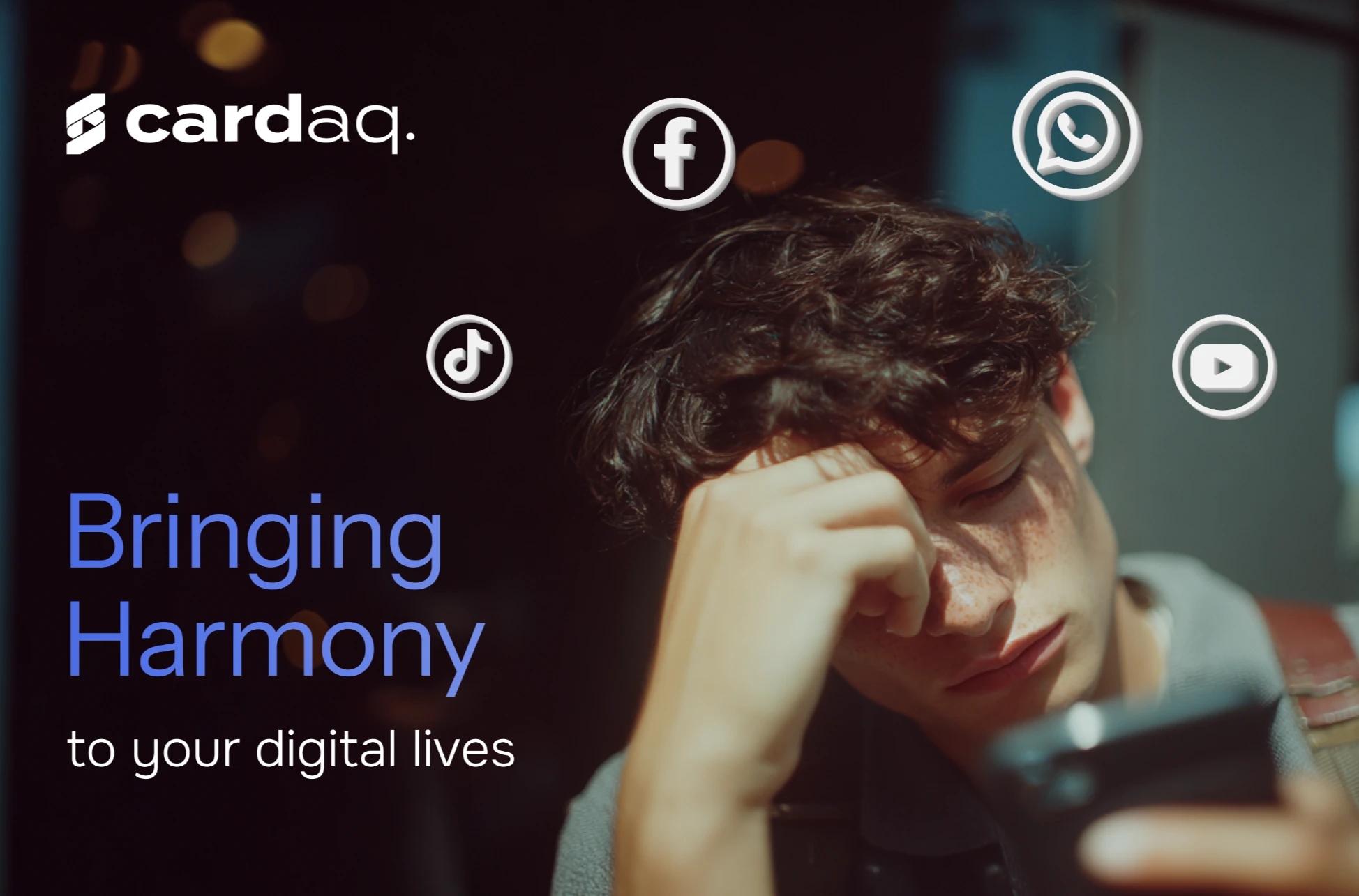
All of us now live increasingly complex digital lives.
Take a moment to consider how extensive your digital estate is. First, list all your social media accounts and all the connections you have across these (Facebook, Instagram, X, LinkedIn etc). Then list all your digital tools you use for work, from email accounts to platforms like Teams, Zoom and Slack. Going further, what other profiles do you have – from Uber to Airbnb to Netflix to Prime. Then, how much time do you spend on YouTube and TikTok? Are you active on Bumble or Tinder? Do you have an Alexa device in your home? A smart watch on your wrist? Has ChatGPT become a colleague producing content for both your personal and work lives?
The list can easily become exhaustive, and our digital lives have to contend with everything IRL – work appointments, doctor checkups, weddings, birthday parties, family visits, holidays, errands, shopping trips, household repairs etc.
This is why shared calendars and work platforms have become so vital to our crazy 2025 lives.
The past five years…
The digital age is nothing new but this was arguably catalysed with the pandemic. In 2020, most of us were forced to live entirely remote and digital lives – from using Teams for work and networking, to nightly Zoom pub quizzes to help ignore pandemic-induced boredom…
We had to rely on digital technology even more than before. We became more technology savvy and efficient, with the use of numerous platforms in our lives a gradually normal thing to exist with. This allowed many of us to carry on as normally as we could, staying connected with loved ones and colleagues with little interruption.
However, this was not just a lockdown phenomenon and even when the pandemic eased it became clear that our digital lives would never be the same again. New working patterns – both hybrid and fully remote – were the norm and technology began to work around our lives as standard.
Too far?
This trend may have stuck but there are concerns about how much digital integration we’ve taken on as a society. We’ve never been more connected to one another, but digital isolation and the negative effects this technology can have on our mental health and wellbeing are widespread.
Put simply, it’s very easy to potentially take on too much digital technology and become too absorbed in all of this. Some have decided to revert to the other extreme, living off the “digital grid” with limited online presence and using regular phones that aren’t smartphone or similar devices.
However, it doesn’t need to be this extreme. Instead of living in digital silence, or drowning in digital noise, all of these components can play together in harmony.
Scheduling: The modern marker of care
For this reason, more people are turning to their calendar applications to regain some control. Now, emotionally intelligent scheduling - from color-coded calendars to shared Notion boards - has become a modern marker of care, respect and compatibility in friendships, relationships, and careers.
Our lives are increasingly laid out and in the open, but it’s important people are able to protect themselves and their time when creating schedules. This is why platforms such as Slack are so popular, they are designed to help people segment their lives and protect their time.
Specifically with scheduling solutions, these are now being used to help people find order, privacy and time online. You can carve out and designate time for work, keep days and hours for yourself, allow for personal appointments or self-care – these simple tools can be intuitively used with greater emotional intelligence to help provide some control and boundaries in what have become increasingly messy digital lives.
Bringing harmony to your digital lives
If you’re struggling to see the digital wood for the digital trees, here are some ways you can quickly start making the most of online scheduling and regain some order to your life:
• Choose the right calendar app: Google Calendar, Microsoft Outlook, Apple Calendar and specialised apps like Fantastical are great options, depending on your operating system and needs.
• Add all commitments: Input all appointments, meetings, work tasks and personal events to avoid double-booking and gain a comprehensive view of your schedule.
• Use color-coding: Assign different colours to various types of events (e.g., work, personal, medical) to make them easily distinguishable at a glance.
• Set reminders: Configure notifications to alert you before important events, ensuring you don't miss anything.
• Sync across devices: Keep your calendar updated and accessible from your phone, tablet, and computer so you can check or add events anywhere.
• Use a to-do list app: Employ tools like Google Tasks, Todoist or a simple spreadsheet to manage your daily tasks and projects, setting due dates for accountability.
• Integrate with your calendar: Many to-do list apps can integrate with your digital calendar, allowing you to move tasks from your list to your schedule.
• Organize your inbox: Regularly clear out and organise your email to prevent it from becoming overwhelming.
• Create a folder system: Establish a clear and consistent folder structure on your computer to make finding your digital files easier.
• Schedule digital breaks: Plan for offline activities and create "no-phone" zones in your home to prevent constant digital immersion.
• Share calendars: Collaborate with colleagues or family members by sharing calendars, which can simplify planning for groups.