5 mins read
Cardaq Team
money
•youth
•algorithms
The Economy of Fear: Why We Love Being Scared
Horror is a recession-proof industry. We analyze why fear sells—from haunted houses to thrillers and how we spend on adrenaline.
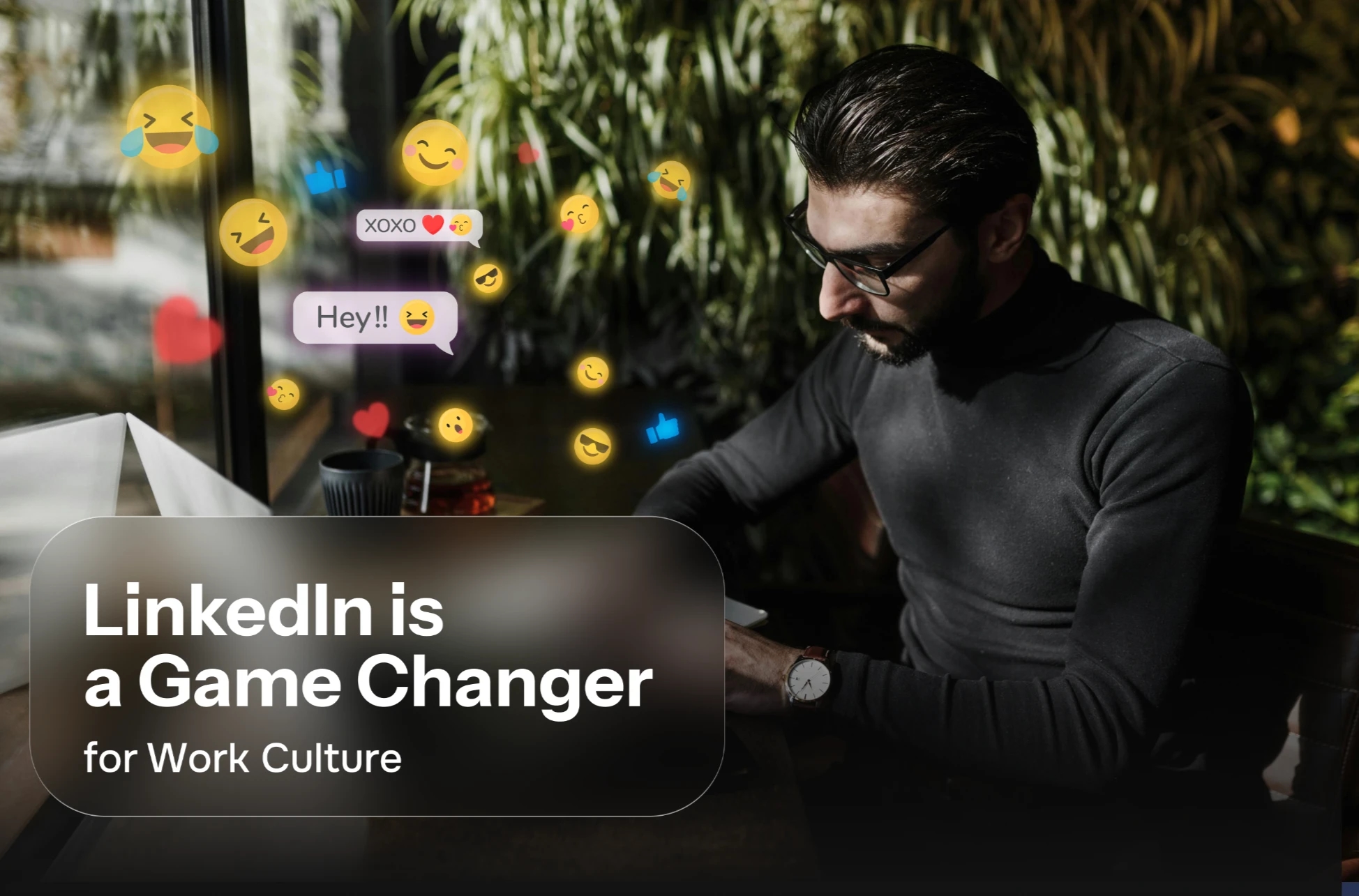
Stop scrolling selfies; start scrolling résumés. Here is why Gen Z is treating LinkedIn like a lifestyle app and curating personal brands.
Cardaq Team
When Facebook was created in 2004, this was a historic moment in culture and our digital society. It wasn’t the first social media platform – having followed Bebo and Myspace – but this marked a change in the way social media is in our lives. Facebook allowed people to put their whole lives online – education, employment, relationship status – in a way that hadn’t been done before. Social media has changed entirely, with billions of people online and our digital lives now looking completely different in the past two decades. And during this time, LinkedIn has emerged as the new major lifestyle social media platform to the surprise of many.
The LinkedIn story
LinkedIn ironically launched in 2003, before Facebook, and for a long time carved out a niche as a social media platform for the corporate world. The platform primarily grew as a place where people could network for career development, post CVs and apply for jobs. Like Facebook and other platforms, you could follow people, make connections and share thoughts and content via posts.
It wasn’t created to help students plan parties or people to date, but LinkedIn’s presence in the corporate world soon grew. Today it has over a billion users and operates in over 200 countries around the world[JY1] [JY2] , and in 2016 was acquired by Microsoft for $26bn – one of the biggest deals of its kind (at the time). [JY3]
LinkedIn has evolved as it’s grown. New features are continually introduced which allow LinkedIn users to stay connected with one another and further integrate the social media platform into their working lives. This has also helped LinkedIn maintain is edge and stop any other competitors from meaningfully making impact in the same space. However, over time LinkedIn has evolved into something else and is now a very different entity from the corporate social media platform it was once.
The new Instagram?
In recent years, LinkedIn has evolved drastically and is now much more similar to Instagram.
LinkedIn is no longer simply a news feed of new job roles being advertised, and announcements around company growth. Instead, users on LinkedIn are increasingly using the site as a curated identity platform. Posts are more likely to be edited now with aesthetics in mind and are supported by LinkedIn’s image filter and edit functions – this has morphed to the point of influencers using LinkedIn as a primary tool with which to push sponsored content.
This goes further. LinkedIn users can go live on the platform, share stories like Instagram and generally use it to develop a much more colourful digital persona than what is restricted to their job title.
LinkedIn users are also now much more comfortable using the platform to share personal posts on. Scrolling through LinkedIn and updates about job roles and promotions are actually hard to find amongst the numerous posts about weddings, births and even deaths. Beyond these major life events, LinkedIn has rapidly become a place where people can micro blog. With users increasingly turning away from X (formerly known as Twitter), they have gravitated to other sites, one of which being LinkedIn. While people were at one time wary about sharing personal opinions in a work environment, this has now changed.
The wider corporate culture
LinkedIn’s new features and changing user experience may have played a part in this, but this is part of a wider trend in how we work and the role employment plays in our lives.
The emergence of a new generation of self-made billionaires (the likes of Elon Musk, Mark Zuckerberg and Jeff Bezos to name a few of the most well-known examples) has changed people’s perception of wealth and success. And, more specifically, how to go about achieving both. We live in a time where people are increasingly obsessed in entrepreneurialism and more people want to develop the next big thing that disrupts an entire industry.
This has created a real cult around entrepreneurialism, and this is evident in hit content brands such as Diary of a CEO, TED Talks and The High Performance Podcast. Discussing business and the personal traits it takes to succeed has become a large genre of digital content and people like Gary Vaynerchuck, Steve Barlett and Simon Sinek are motivating millions of career-hungry people. Performative or not, people are now keen to showcase their entire lives. People are increasingly vlogging about their business journeys, candidly podcasting about what it takes to succeed and “humble bragging” to share scenes of their success and what they’ve achieved.
LinkedIn has become a natural place for this trend to play out.
Real benefits
Some people are split on the benefits of this. While many will happily consume such content and love using LinkedIn to portray both their work and personal lives, others are less enthusiastic about the social media platform. Distrust and fatigue of social media in general is emerging and a lot of people still like to keep their work and private lives separate from one another.
Regardless, academics claim that the evolution of LinkedIn is bringing tangible benefits to our work lives. This is in regard to our mental health and wellbeing, and the recognition of the crucial role that work and employment plays in this.
This was most stark during the pandemic. When life shut down, many people became scared for their futures and how their jobs would withstand lockdowns. People flocked to LinkedIn, among other social media platforms, to share the good, the bad and the ugly. This trend has continued since the pandemic with LinkedIn users now much more comfortable to share their concerns and struggles.
This not only offers an important opportunity for people to ask for help, sometimes quite bluntly, but is part of the wider recognition that people are much more than a job title. They are parents, siblings, sons or daughters with fears, hopes and ambitions – not just LinkedIn users anymore.
[JY1]https://about.linkedin.com/
[JY2]https://about.linkedin.com/
[JY3]https://news.microsoft.com/announcement/microsoft-buys-linkedin/