fintech
•transactions
•trends
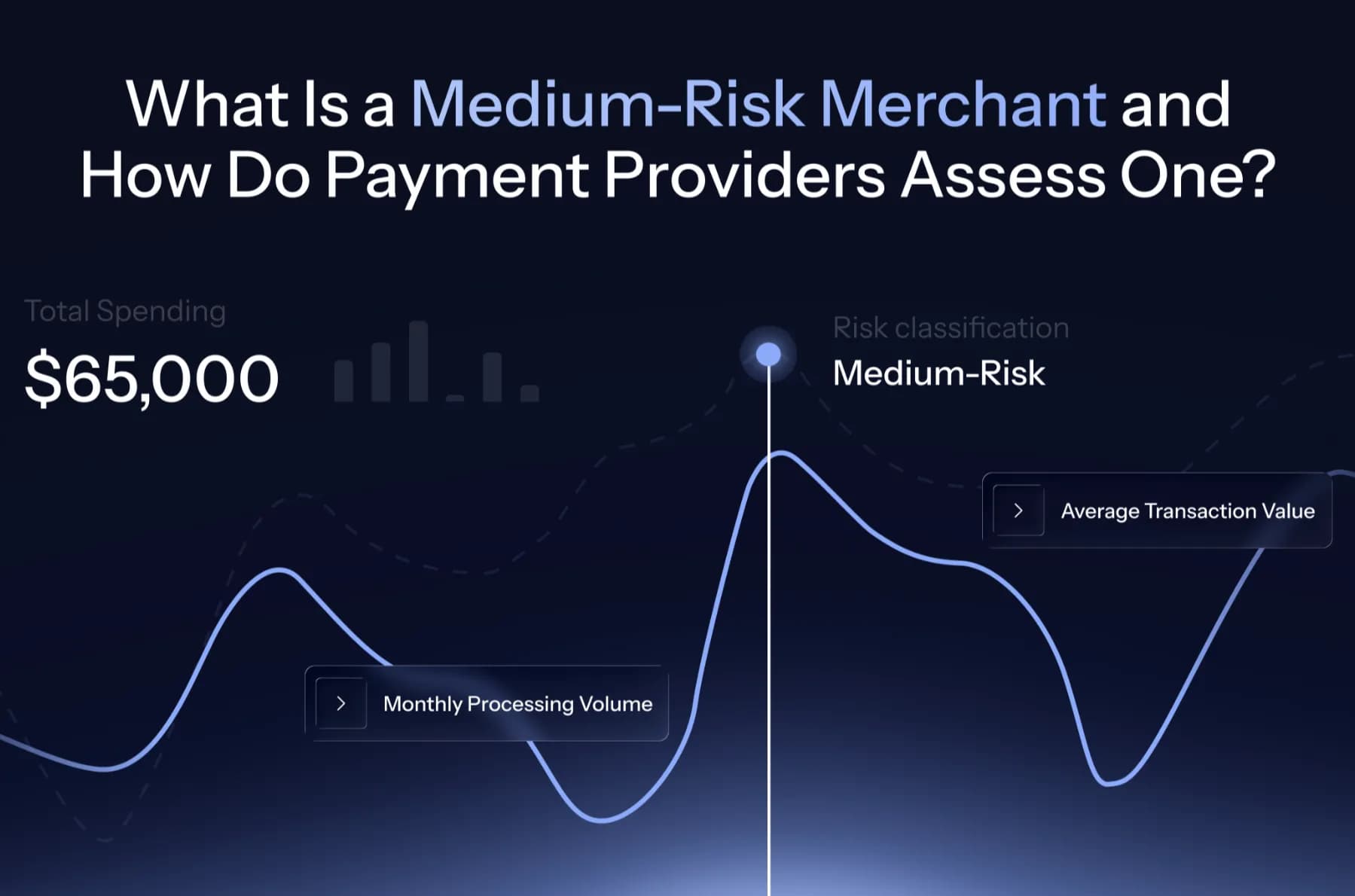
What Is a Medium-Risk Merchant and How Do Payment Providers Assess One?
A medium-risk merchant is a business that is neither low risk nor high risk, but has a medium risk profile.
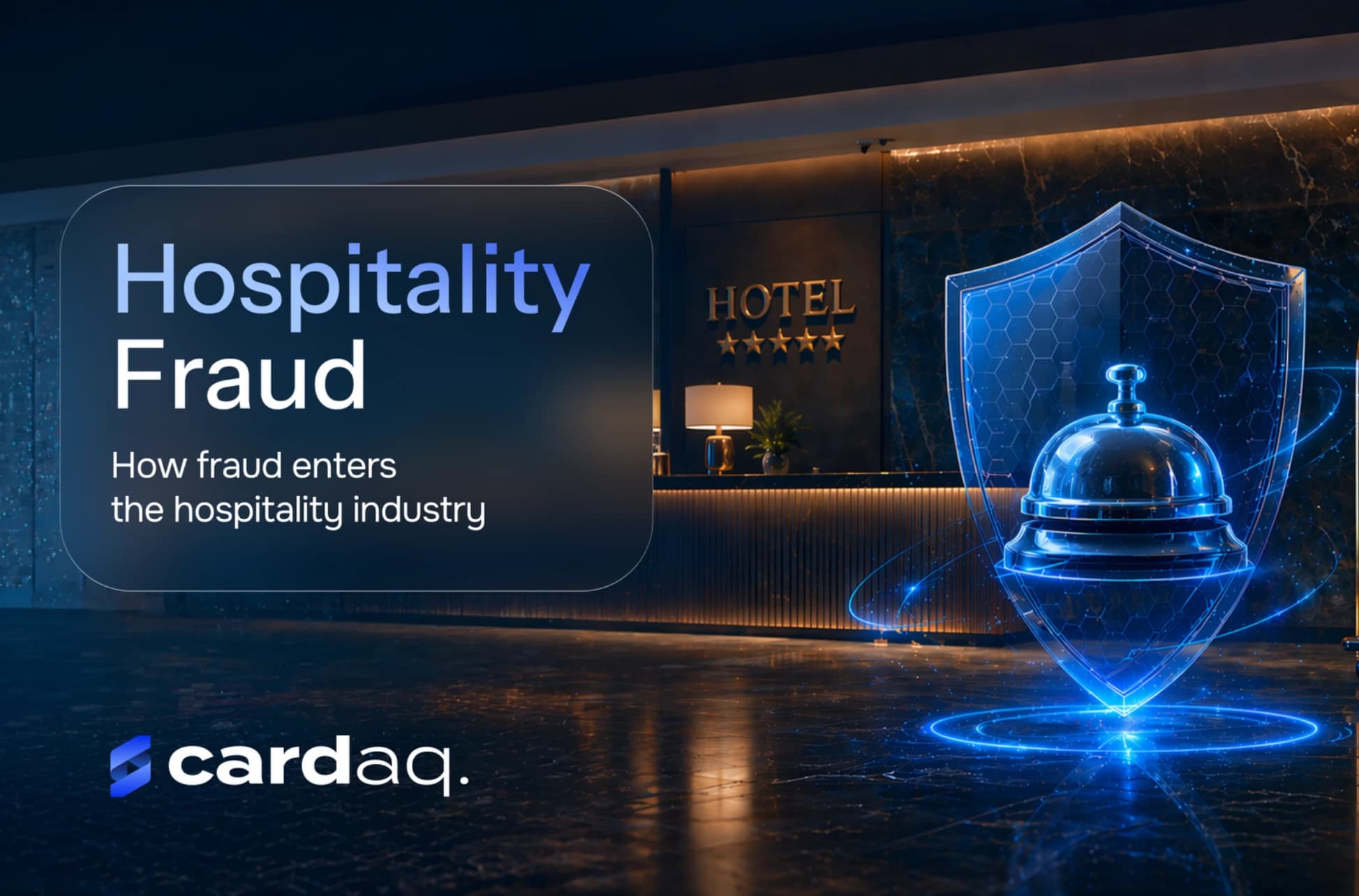
Don’t be fooled by the term, however – so-called ‘friendly fraud’ is anything but friendly. In fact, the term ‘friendly fraud’ has a huge impact on businesses in the UK hospitality sector. Many establishments struggle with high chargeback fees and lost revenue due to false claims. What begins as a simple dispute from the customer’s perspective can quickly lead to lost revenue, additional administrative work and a great deal of wasted time contesting a chargeback that should never have occurred in the first place. As this trend continues, hospitality businesses must walk a fine line: on the one hand, they must provide good customer service, and on the other, they must protect their business from this growing trend of friendly fraud.
What is friendly fraud?
Friendly fraud, also known as chargeback fraud or first-party fraud, is a scam in which a consumer makes a purchase with their credit card, receives the goods or services, and later calls their bank to claim that their card has been misused. For businesses in the hospitality sector, this can mean a disputed bill for a meal in a restaurant, a disputed hotel stay, or other cancellation and no-show charges. Sometimes this happens without any malicious intent on the part of the consumer. They may have forgotten that they made a booking, misunderstood a hotel or restaurant policy, or simply failed to recognise a charge from a third-party provider.
Regardless of the reasons, this rise in friendly fraud can lead to a range of other problems for businesses in the hospitality sector, in addition to lost revenue.
What impact does friendly fraud have on the hospitality industry?
The increase in disputes and chargebacks is putting significant pressure on these businesses’ already tight margins. It is also predicted that the situation will worsen next year.
According to a report by Chargeflow, a 40% rise in friendly fraud cases is expected by 2026. Furthermore, there will be a total of 337 million chargebacks worldwide. And that’s not all: The Fintech Times reported that the total losses from friendly fraud in the UK alone amounted to £128 million last year. Small businesses are already feeling the impact of chargeback fraud acutely. According to Nima Safaei, owner of a small Italian restaurant in Soho, chargeback fraud has already cost his business £5,000 over the last three months.
According to Hugo Remi, CEO of payment provider Cardaq, chargebacks are putting additional pressure on already struggling hospitality businesses: “British high streets are dying due to rising overheads and lower disposable incomes among potential customers. In the hospitality sector in particular, customers often have only one chance to visit. It can therefore prove difficult to track and dispute cases of friendly fraud.”
How to combat friendly fraud in your business?
The first thing you need to do to tackle the problem of friendly fraud in your business is to introduce clear guidelines. You should communicate these guidelines very clearly. In addition, you should always keep all receipts so that you can provide evidence in the event of a chargeback. Furthermore, a secure payment method such as pre-authorisation or 3D Secure can help prevent unauthorised claims. As this requires an additional step, such as two-factor authentication, it provides clear proof that the customer has indeed consciously authorised the transaction. Should a chargeback nevertheless be initiated against your account, a structured process helps to increase the chances of winning such a dispute. Remi also mentioned that the financial services industry needs to work more closely with the hospitality sector and impose “tougher penalties” to exclude fraudsters from payment systems. “Although not all chargebacks are malicious, we must be hot on the heels of those found guilty. The patterns are there; a more secure, transparent and business-friendly payments industry can respond accordingly.”
AUTHOR

Cardaq Team
24 April, 2026