5 mins read
Cardaq Team
Feb 20, 2026
trends
•social media
•youth
Managing Expectations With A Shared Calendar
Your shared calendar is the key to relationship peace. Learn how syncing schedules stops financial surprises and saves date night.
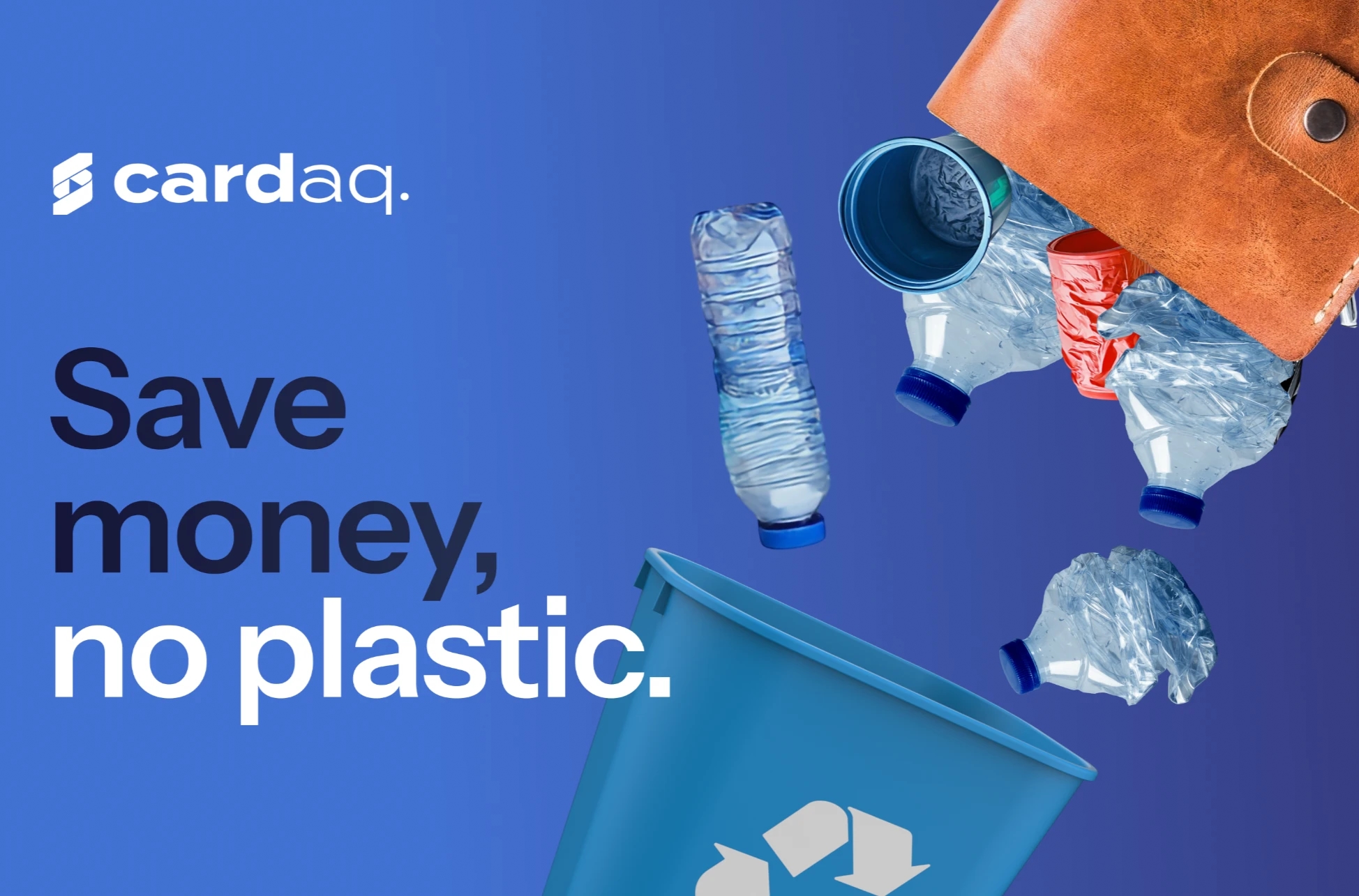
Going green isn't just for the planet. Try a plastic-free challenge for your debit cards and see how using cash reduces spending.
Cardaq Team
Feb 20, 2026
What are the financial benefits of plastic-free living? It’s an interesting conundrum as plastic is a very unsustainable and costly material – the material is very wasteful to manufacture and creates a huge amount of harmful pollution when discarded. As a society we waste millions, maybe billions, every year making things out of plastic, which we then discard after a single use. To give you an idea, almost eight million pieces of plastic pollution enter our oceans every single day! These plastics don’t biodegrade and it’s estimated that there is a mass of plastic rubbish floating in the ocean that is three times the size of France.[JY2]
Therefore, it’s clear to see why affordable plastic-free alternatives are growing in popularity, from packaging to coffee cups. There are also wallet-friendly eco habits given there’s even plastic in our money. Both modern bank notes and bank cards are made with cash, and though you won’t be throwing these away (!) their use does contribute to unsustainable practices. Fortunately there are ways of living sustainably with financial benefits. To help you find out more, here are some of the ways you can save money going plastic-free and the benefits an eco-friendly budget can potentially have on your finances.
Plastic-free, living cheap
Fortunately, there are lots of little ways of thrifty eco-friendly living to save money and reduce plastic. Budgeting for sustainability doesn’t have to be hard, and if done right you can help protect both your bank balance AND the planet. A great win-win!
Here are just some of the day-to-day cost-saving (and plastic-saving tips) we recommend:
· Soap bar vs liquid cost
Manufacturing one bar of soap takes a lot less water and plastic than it does to make a bottle of liquid soap, so think about this for your shower gels, facial cleaners etc. Buy a few bars of quality, lovely smelling soap and these will also last for a lot longer than your bottles, also helping cut down your waste.
· Cloth nappy savings vs disposables
If you’re a parent, you’ll know how expensive nappies are and especially in the early years of your child’s life. Nappies are costly and regular bulk purchases; you go through several a day and they almost fill landfills by themselves! Cloth nappies however, though requiring some work and cleaning (!), can help keep your costs down and keep your bin empty.
· Reusable coffee cup savings
Grabbing a delicious americano or latte on the go can be a great way to start your day, but coffee chains around the world generate millions in tons of waste from takeaway coffee cups. So break the cycle and get your own reusable coffee cup! The great thing about this is it can help your finances, as nearly all major coffee chains now offer discounts if you bring your own cup.
· Composting financial benefits
The environmental benefits of composting are clear; this can help break down potentially harmful foodstuffs and chemical compounds without polluting the soil and creating your own compost. Financially though, this can help you save money on buying compost, cut down your bin bag use (as your waste output is more diluted) and potentially help save on waste management costs for your household.
· Menstrual cup cost savings
If you’re a woman, you know all too well about the period premium you’re forced to pay with pads and tampons. This not only adds up to a substantial cost each month, but discarded period products add considerable amounts of plastic to landfills. Therefore, a menstrual cup can be a way of cutting both cost and waste. Though these can have an expensive up front cost, these are washable and reusable which allows for repeat use without repeat purchases.
· Making your own plastic-free products
Around your house now, under the sink and in the bathroom, you likely have dozens of bottles of cleaning products that essentially all do the same thing. Making you buy a multitude of cleaners for different purposes is an age-old marketing tactic that eats into your expenses and fills your bin with plastic bottles. Therefore, ditch the chemicals and make your own concoction – a little white vinegar, lemon and water in a reusable spray bottle will essentially do all the cleaning you need but at a fraction of the cost (and waste).
· Reusable produce bags savings
Plastic bags from supermarkets, and other shops, have become a target of legislation in recent years and these now carry charges to buy. However, stay one step ahead and have your own reusable shopping bag in a minimalistic pouch. Not only is this easier than carrying a few big bags for life with you, but this can help you considerably save money on bags (the costs add up…) and reduce waste in the environment.
Reducing consumption, saving money
Combined, and these steps could make considerable progress towards saving money and saving the planet at the same time. These will also help you progress towards conscious consumerism savings – by keeping the planet in mind as you spend, you’ll be more aware of your impact on the planet and harm waste can have to the environment (as well as unsustainability to your bank balance). If more people start to think this way, avoiding single-use plastic costs and pursuing eco-conscious spending, a real difference may be made in society.
[JY1]This had been pitched as plastic-free July, but given this is the fourth blog and it’s nearly the end of the month, I thought it best to change this
[JY2]https://www.savethestudent.org/save-money/food-drink/reduce-plastic-challenge-save-money.html