5 mins read
Cardaq Team
Feb 19, 2026
payments
•money
•finance
The New Status Symbol? Financial Boundaries
Luxury isn't just a handbag anymore. Learn why setting strict spending limits and saving aggressively is the ultimate flex.
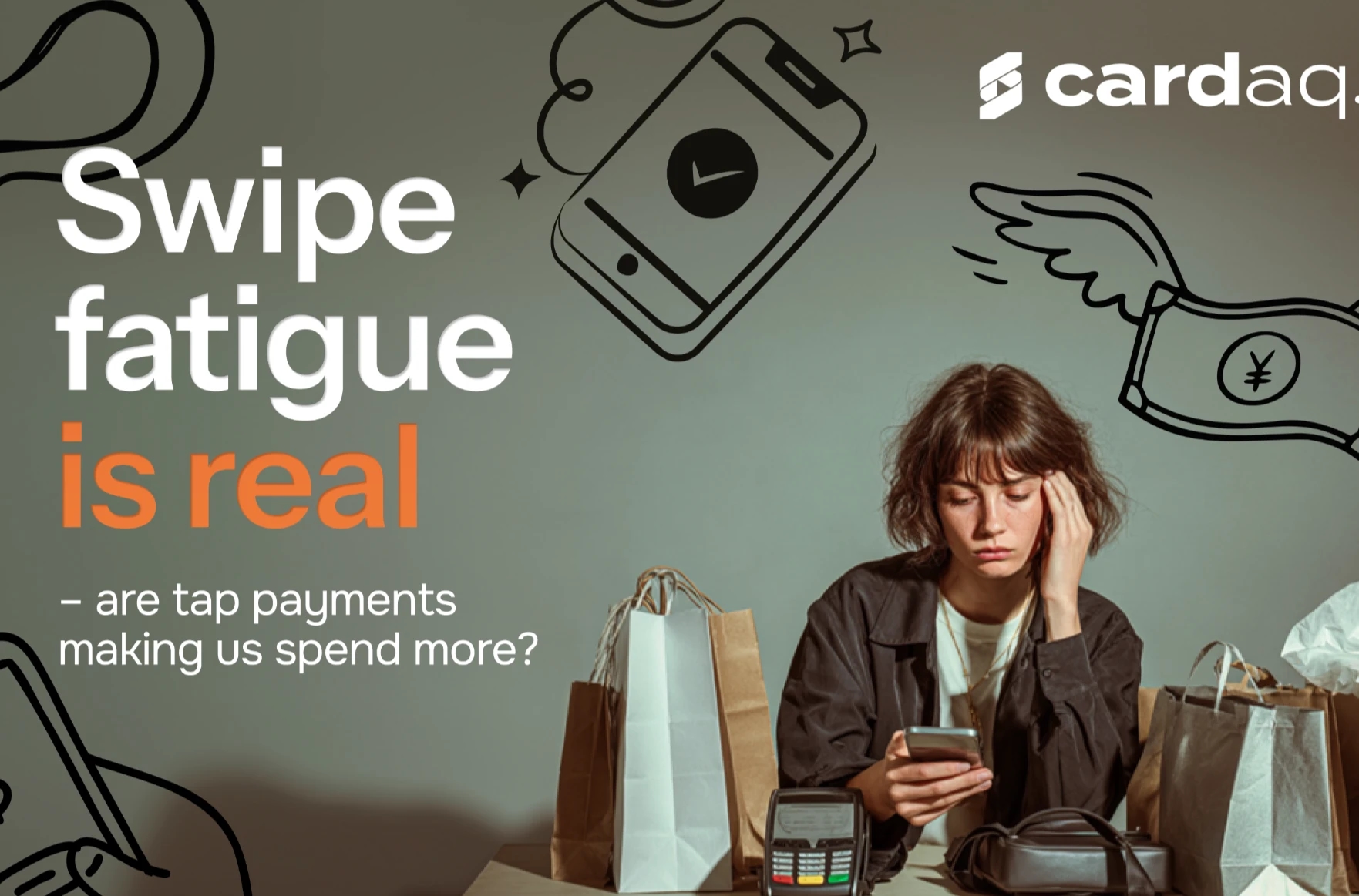
Is contactless convenience costing you? We break down the psychology of "swipe fatigue" and why tapping hurts less than handing over cash.
Cardaq Team
Feb 19, 2026
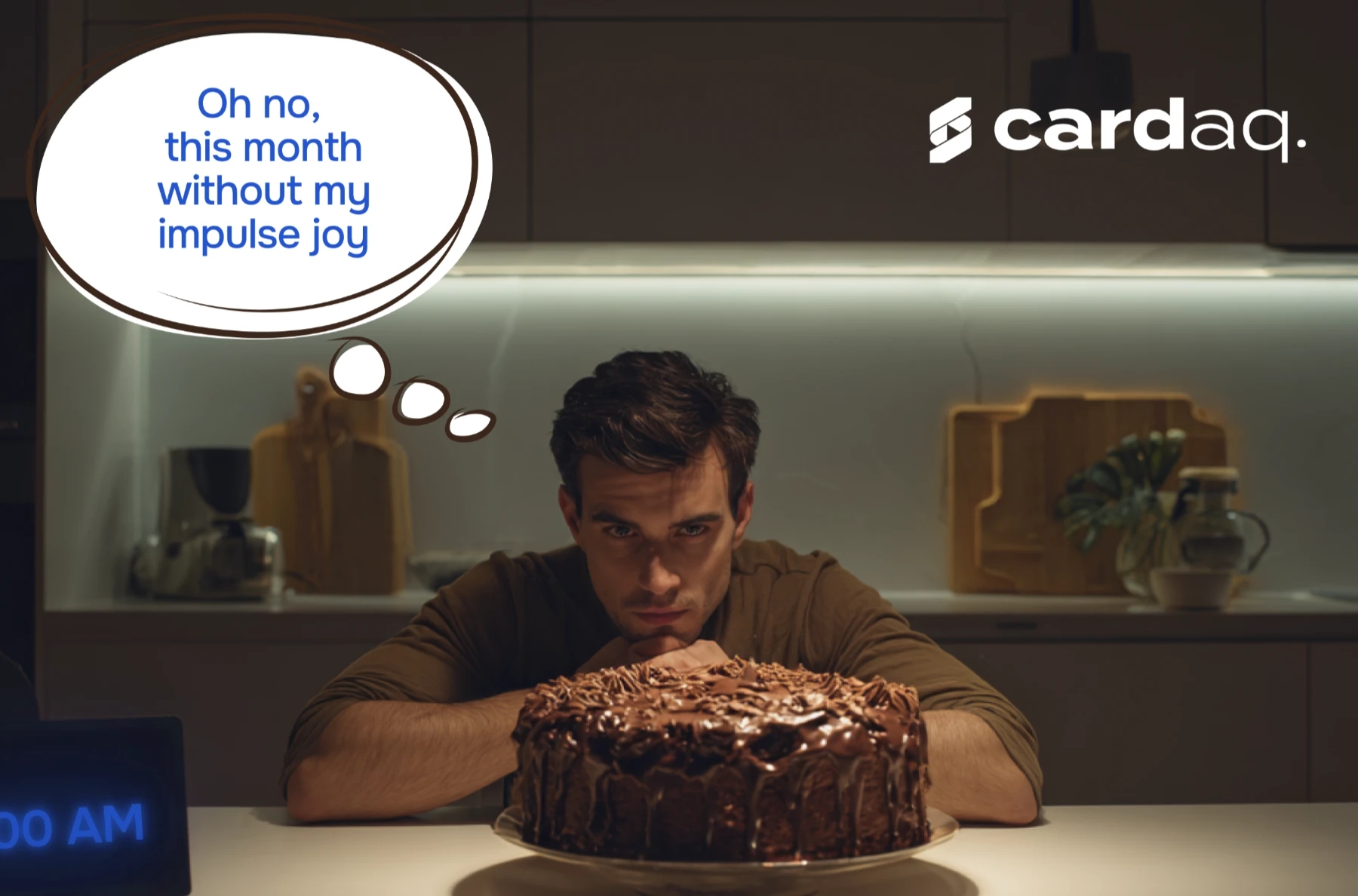
The ease of payment overspending is a phenomenon created by the fantastical world of payment processing via modern technology. The entire payments industry is geared towards efficiency, with as little as friction as possible – this has led to tap to pay spending habits with digital payments and impulse buying closely intwined. However, while it has never been easier to make payments, this is changing out approach to money and creating swipe fatigue. Not only are we spending more but this is changing how we fundamentally see money.
For instance, in the 2011 film Margin Call, a drama set in a fictious investment bank the night before a financial crisis happens, the firm’s boss tells a stressed out colleague: “It's just money; it's made up. Pieces of paper with pictures on it so we don't have to kill each other just to get something to eat.” The irony of this line, delivered by a multimillionaire whose fortune is safe while millions lose their jobs, is obvious and it speaks to how the psychology of contactless payments is changing our perception of money.
The psychology of spending money
Frictionless payments spending has vastly reduced all the little steps we used to follow before digital payments were the default - going to the cashpoint, ensuring you have the right amount of coins and notes, doing the mental maths that come with getting change. The inconvenience of this is now gone, but with it we’ve become numbed to the sense of value.
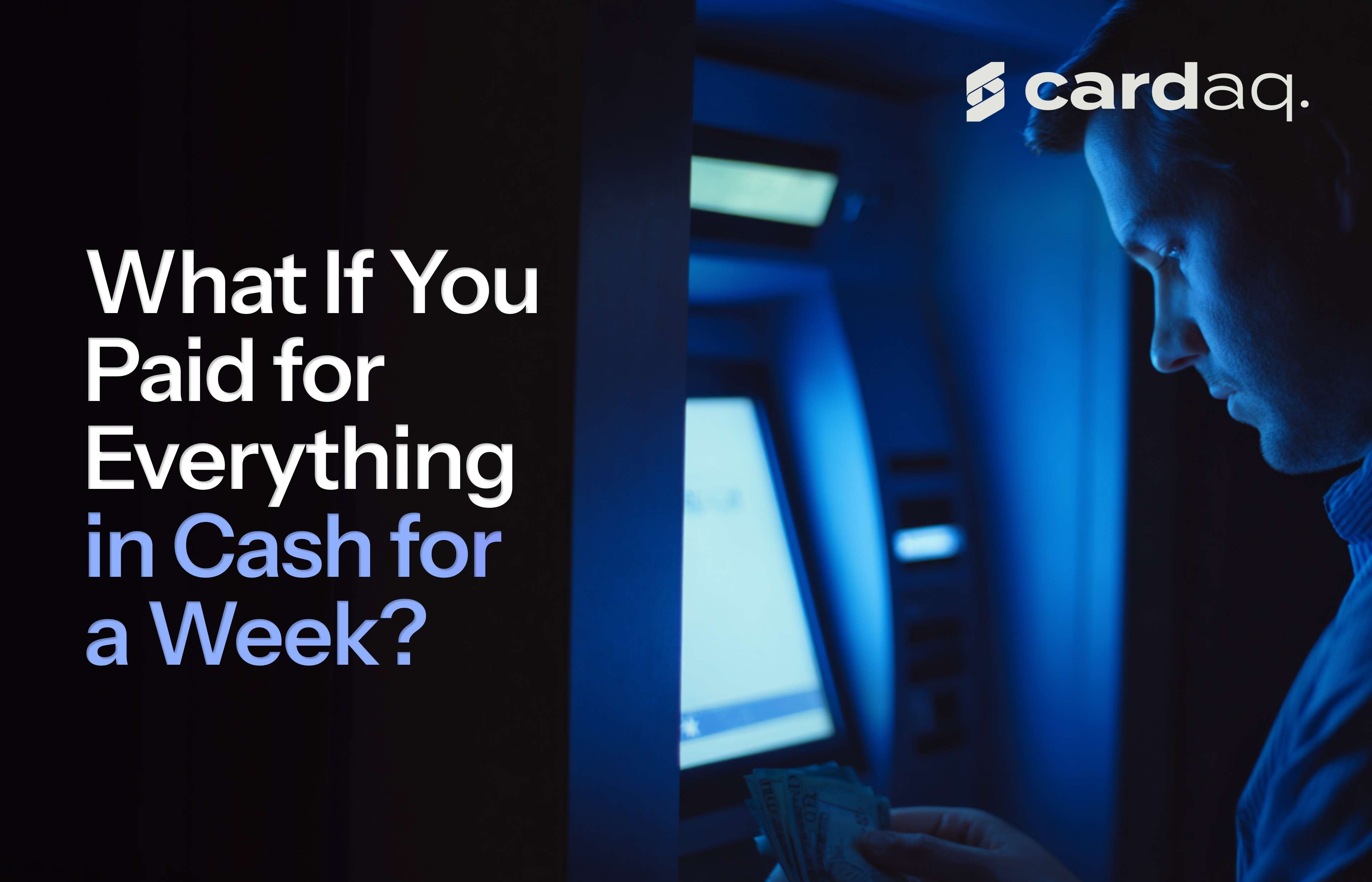
I learned this earlier this month myself when I undertook a cash-only challenge for Cardaq. From Monday through to Sunday I wasn’t allowed to make online payments or use my card or device for any transactions. All I could use was cash, forcing me to rely on an antiquated network of cashpoints and hoping that vendors had change on them. I learned a lot in that week, and you can read the blog HERE, but aside from the inconvenience of relying on cash I found out just how much I was victim to impulse buying psychology.
That week the link between ease of payment and spending was firmly interrupted, and my compulsive spending habits were exposed. I was forced to consciously think of my money and to abide by a cashpoint-enforced budget. I wasn’t able to impulsively engage with digital spending traps, such as when your iPhone allows you to quickly buy something you’ve instantly seen on social media just through a scan of your fingerprint or face.
The real cost of reducing financial friction
We may have greater efficiency when it comes to payments but over time this is adding up. Research from Zenith [JY1] has found that tap payment is bad for budgeting, with users of contactless likely to spend 48% more than others. Though the contactless limit in the UK is £100, after being gradually increased over time, this still leaves users a lot of flexibility to make numerous, smaller transactions that pile up.
The problem is when we make impulsive payments, we’re not thinking about our finances – our budgets, long-term goals, needs etc. Many people do not consciously think about their financial situation during the day. This is a combination of people being busy, money being a taboo subject or even the fact that looking at our bank balance can be a source of anxiety! You don’t need to constantly study your finances, or even be that engaged with them, but it is important to keep this in mind when making numerous tap and go payments. These can add up and what may seem small, innocuous payments at first can quickly combine to something significant.
Financial discipline techniques
Though it’s never been easier to get carried away with spending, it’s fortunately also never been easier to get on top of your spending. Banks and payment providers now offer users numerous payment control functions on both cards and devices, allowing users to set limits on how much they spend at a time or even throughout an entire day. Should this limit be breached, a quick alert can be sent to the user.
Though this may not stop that person from making the purchase – and as I learned the hard way in my cash-only week when my car suddenly had a flat tyre, important transactions can come to us out of the blue – it can at the very least give them some important knowledge. They can then proceed with a better understanding of the cost their gradual overspending is having.
Importantly, there are other ways to cut down your spending. Delve into your accounts and try to examine patterns of where you are spending the most – say at the gym or your favourite café – and consider ways to cut this down. Try and bring a longer term horizon to your spending and create a list of goals you want to fulfil, then figure out how much you’ll need to put aside each month. And finally, try putting your card or phone away for a day and rely on cash, just to get back into the habit of micro budgeting on a daily basis.
Contactless can be a great and efficient way to spend, but it’s important not to let it get carried away with your finances.
[JY1]https://www.fintechstrategy.com/blog/2024/07/04/how-digital-payments-are-shifting-consumer-spending-habits/